
English| EUR
Suggested for you
More currencies
Choose a language
The question of vilnius or riga which is better depends entirely on what you value in a city break. Both Lithuanian and Latvian capitals offer UNESCO-listed old towns, distinct architectural character, and easy access to each other by train or bus. This guide examines the measurable differences in atmosphere, walkability, cultural depth, and practical costs to help you choose the right destination—or justify visiting both.
Quick answer
Neither city is objectively better; each excels in different areas. Vilnius offers a larger baroque old town, more affordable dining, and a thriving creative scene concentrated in Užupis. Riga delivers grander Art Nouveau architecture, a more cosmopolitan nightlife district, and better transport links across the Baltics. Travelers focused on history and budget tend to favor Vilnius, while those prioritizing architectural grandeur and evening energy lean toward Riga.
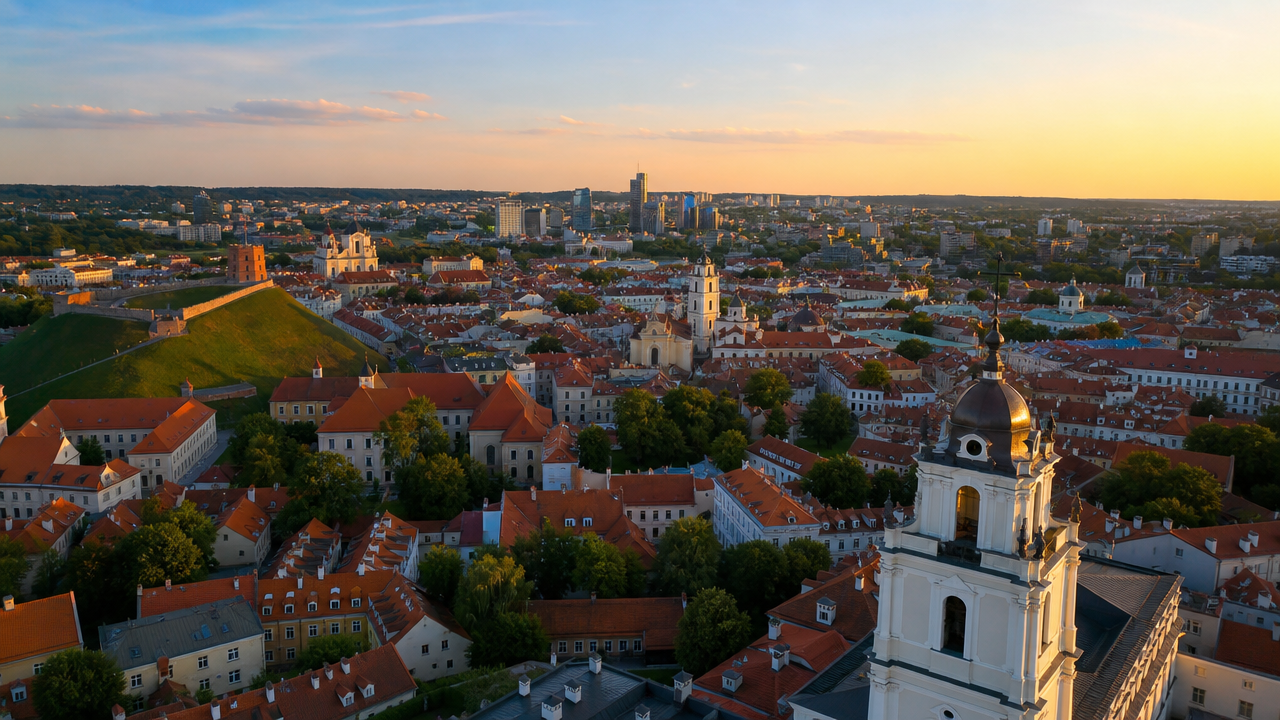
Vilnius holds more UNESCO-protected baroque churches per square kilometer than any other city in Northern Europe. That density creates a walking experience where every turn reveals another facade, courtyard, or belltower, and the old town's irregular medieval street plan resists the geometric predictability of later capitals. Riga, by contrast, was rebuilt during the city's industrial boom at the turn of the twentieth century, leaving behind the largest concentration of Art Nouveau buildings in Europe—over eight hundred structures with ornamental facades, sculptural details, and wrought-iron balconies that line Alberta iela and Elizabetes iela in the Quiet Centre district. The question of which Baltic capital is better often reduces to scale and rhythm. Vilnius sprawls across a broader area, with distinct neighborhoods separated by the Neris River and forested hills that rise inside the city limits. Gediminas Tower sits atop Castle Hill, a short climb that offers a panoramic view over terracotta roofs and the bend in the river. Užupis, the self-declared artist republic, occupies the eastern slope and functions as the city's bohemian center, complete with its own tongue-in-cheek constitution mounted on a courtyard wall. Riga packs its attractions into a tighter central grid, making it easier to cover on foot in a single day but leaving less room for discovery beyond the main axis. Cultural programming differs in tone. Vilnius leans toward independent galleries, experimental theater, and a café culture rooted in post-Soviet creative resilience. Riga's calendar includes larger-scale events—opera at the National Opera House, seasonal festivals in Mežaparks, and a nightlife quarter around Kalķu iela that draws weekend crowds from across the Baltics. Accommodation and meal costs run ten to fifteen percent lower in Vilnius, a gap that becomes meaningful over a three- or four-day stay. Deciding between the two capitals ultimately depends on whether you prioritize intimate exploration or architectural grandeur, lower costs or livelier evening scenes. The 297-kilometer rail link operated by LTG Link connects both cities in under five hours, making it feasible to experience each on a single trip and draw your own conclusion about vilnius or riga which is better based on direct comparison rather than reputation alone.
“Vilnius holds more UNESCO-protected baroque churches per square kilometer than any other city in Northern Europe.”
Choosing between Vilnius and Riga depends on whether you prefer a compact, intimate baroque atmosphere or a grand, metropolitan experience. This comparison highlights the distinct characteristics of each Baltic capital to assist in your travel planning.
| Vilnius Lithuania Recommended | Riga Latvia | |
|---|---|---|
| Old Town Character | Compact, medieval street patterns with baroque focus | Expansive, diverse historic center with dense heritage |
| Architectural Style | Predominantly Baroque, Gothic, and Neoclassical | Notable for high concentration of Art Nouveau and Gothic |
| Vibe and Pace | Relaxed, bohemian, and intimate scale | Dynamic, metropolitan, and fast-paced environment |
| Key Cultural Landmark | Vilnius Cathedral and Gediminas Tower | Riga Cathedral and House of the Blackheads |
Verdict: Select Vilnius if you prefer a cozy, history-dense city walk, or choose Riga if you gravitate toward architectural variety and a vibrant urban atmosphere.
Traveling between Vilnius, Lithuania and Riga, Latvia is straightforward, with well-established bus and rail corridors connecting the two capitals. Both options offer consistent access between the city centers.
LTG Link service from Vilnius Station to Riga Central Station
Lux Express or Ecolines from Vilnius Bus Station to Riga International Coach Terminal
A2 and E67 (Via Baltica) highways
The best arrival window is 08:00–18:00. Daylight hours provide the best visibility for scenic travel between the two capitals.
The period between May and September offers the most favorable conditions for travel between Vilnius and Riga, balancing temperate weather with extended daylight. For daily travel, adhering to the 08:00–18:00 arrival window ensures optimal visibility of the rural landscapes connecting the two capitals.
Mild temperatures 15°C to 22°C
Longer days provide better scenic visibility for the journey.
Cold with frequent snow 0°C to 5°C
Travel is quieter, though daylight hours are significantly limited.
—
Mid-week travel offers a quieter experience on transit routes compared to weekends.
Verdict: The best time to travel is from May to September, specifically on weekday mornings between 08:00 and 18:00 to maximize daylight and scenic visibility.
This plan suits travelers wanting to compare both capitals in a long weekend or four-day trip. It balances transit time with meaningful exploration in each city.
Land early to maximize daylight. Drop bags at your accommodation and head straight to the Old Town — compact enough to cover Cathedral Square, Gediminas Tower, and Pilies Street on foot by lunch.
Walk the UNESCO-listed core, then cross the bridge into Užupis, the self-declared artist republic. Budget three hours for cafés, galleries, and the Angel of Užupis statue.
Depart mid-morning via LTG Link train (4 hours) or Lux Express bus (4.5 hours). Both routes are direct; pack snacks and charge devices for the journey.
Arrive in Riga by early afternoon. Settle in, then visit the market's five hangar pavilions — each dedicated to dairy, meat, fish, vegetables, or prepared foods.
Start at the House of Blackheads and walk to St. Peter's Church for the tower view. Continue to the Three Brothers buildings and the Freedom Monument — plan two to three hours.
Take tram 4 or walk to Alberta iela to see the concentration of Jugendstil façades. Riga Museum of Art Nouveau is optional if you want interiors; otherwise, street viewing takes an hour.
Use the final morning for the Central District's parks and canal, or take a half-day trip to Jūrmala beach resort (25 minutes by train). Return flights typically depart afternoon or evening.
Travel between Vilnius and Riga involves transit logistics rather than venue admission fees. The cost of movement between these two capitals depends entirely on your chosen mode of public transportation.
Verdict: A typical traveler pays 0 EUR for city access, with total costs determined solely by the price of their bus or train fare.
Understanding the history behind these two capitals offers context for their distinct architectural and cultural personalities. These verified facts highlight the unique heritage that shaped Vilnius and Riga.
1201: The establishment of Riga
1,500: Vilnius's baroque legacy
800: Riga's Art Nouveau collection
1991: Baltic Way demonstration
400: Vilnius University founding
Everything you need to know about vilnius or riga which is better
Choosing between Vilnius or riga which is better depends on your personal interest in baroque architecture versus art nouveau facades. Both cities offer distinct cultural experiences and rich histories within the Baltic region. Travelers often find that comparing the medieval charm of Vilnius to the urban vibrancy of Riga helps refine their itinerary. It is a common dilemma when planning a trip to determine if vilnius or riga which is better suits your travel pace.
The most convenient options include bus services or train travel, which efficiently link the two capitals. Exploring the transport options is essential when you wonder vilnius or riga which is better for your logistical preferences. These routes provide steady connections throughout the week.
The entry fee for the journey itself is 0 EUR, though travelers must purchase a bus or train ticket for the commute. While researching vilnius or riga which is better, remember that the cost of your transit ticket will be your primary expense. All travel logistics depend on the specific provider you select.
You can find information regarding regional rail services at the official site https://www.ltglink.lt. While checking if vilnius or riga which is better, review the latest schedules to ensure smooth travel. Train connectivity is a key factor for many visitors moving through the Baltic states.
To determine which of these Baltic cities provides a better experience, consider your preference for city landmarks and atmosphere. Both locations are UNESCO heritage sites with deep cultural roots. Balancing your time between these two capitals often yields the most rewarding journey.
Vilnius is widely recognized for its extensive old town and Baroque heritage, while Riga is famed for its grand Art Nouveau district. Whether vilnius or riga which is better for your interests often comes down to these specific architectural styles. Both destinations serve as primary urban centers in their respective countries.
The best arrival window is between 08:00 and 18:00 to ensure optimal visibility during your travel. Daylight hours allow for the best scenic views as you move between the two destinations. Plan your transit to arrive within this timeframe for a comfortable experience.
There are no specific entry fees for crossing the border, though you must carry valid travel documentation. Public transport links between Lithuania and Latvia operate daily to facilitate seamless movement. Always verify your boarding requirements before departure.
Sightseeing Transfers
Read more Tickets & toursVilnius to Riga Transfers
Read more Tickets & toursTour Bus Options
Read more Tickets & toursVilnius to Riga Day Trips
Read more GuideIs Riga Worth Visiting?
Read more GuideDistance and Travel Time
Read more GuideTrain Schedules
Read more