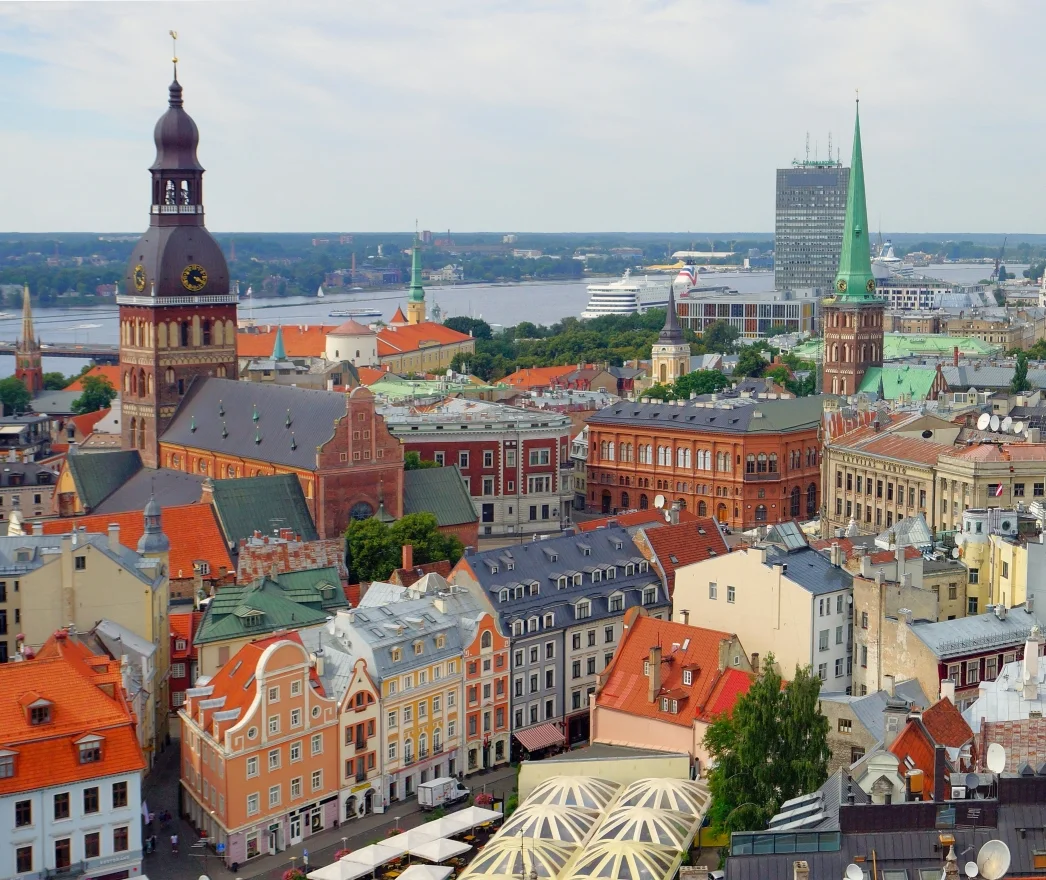
Riga Old Town
The historic center features winding cobblestone streets and medieval churches like Saint Peter's Church. It serves as the geographical and cultural heart of the city.
Visit early to photograph the narrow streets without crowds.

Riga sits four hours from Vilnius by coach, close enough for a day trip yet distinct enough to merit serious consideration. This guide weighs the capital's architectural density, cultural infrastructure, and practical logistics against the time and cost of the journey.
Quick answer
Riga is worth visiting for travelers seeking Art Nouveau architecture, a UNESCO-listed medieval core, and access to Baltic Sea beaches within city limits. The city is accessible year-round with free entry (0 EUR), and the optimal arrival window runs 09:00–18:00 for museum visits and daylight exploration. A full day or weekend provides sufficient time to cover the Old Town, Alberta iela district, and Central Market without feeling rushed.
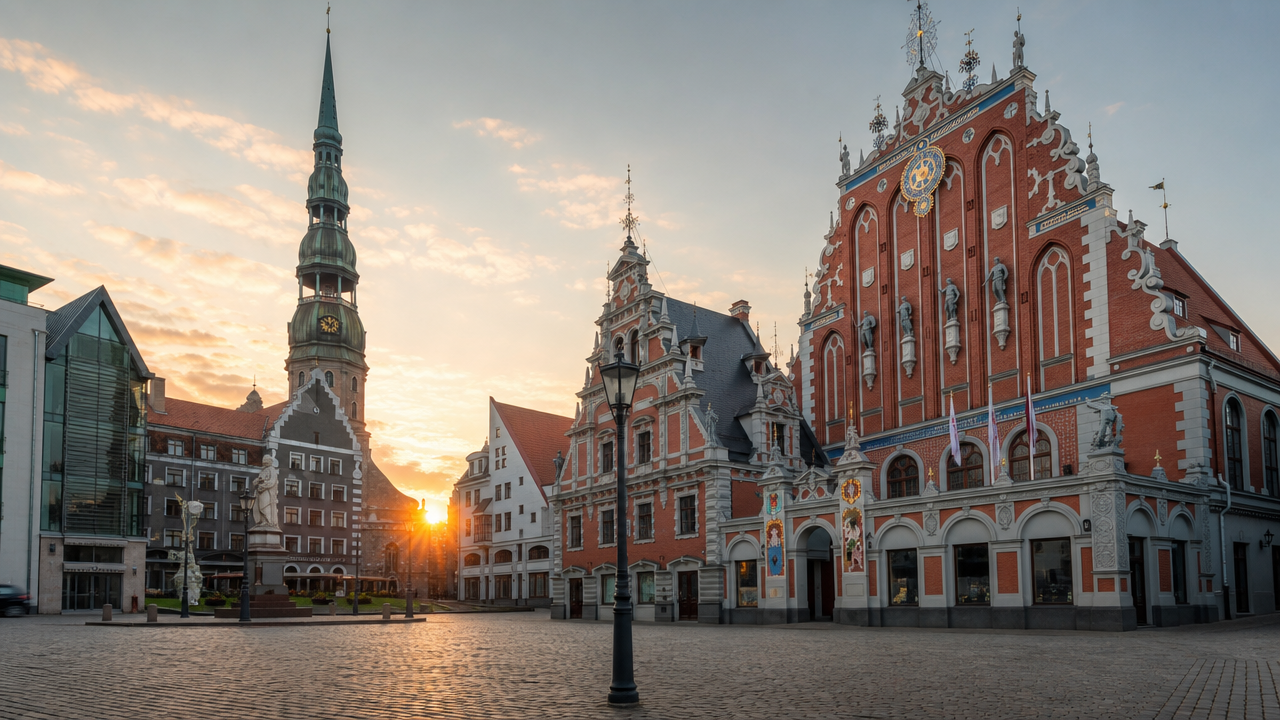
Riga holds the largest concentration of Art Nouveau buildings in the world—more than eight hundred façades across the city center, with the highest density along Alberta iela and Elizabetes iela. The architectural canon spans Romantic Nationalism, perpendicular modernism, and decorative eclecticism, all constructed between 1901 and 1914 when Riga was the Russian Empire's third-largest industrial port. The medieval Old Town occupies a compact grid south of the Daugava River, bounded by the Freedom Monument and the canal park system. Brick Gothic churches—St. Peter's with its 72-meter spire, the Dome Cathedral with its 6,768-pipe organ—anchor the district alongside guild houses and the reconstructed House of the Blackheads. The scale is walkable: the entire historic core measures roughly one square kilometer, and most visitors cover it in three to four hours on foot. Whether Riga warrants a dedicated trip from Vilnius depends on what the traveler has already seen. Those who have visited Tallinn will recognize structural parallels—both are Hanseatic ports with restored medieval quarters—but Riga's Art Nouveau layer and Soviet-era Modernist housing estates (particularly the Āgenskalns district) add depth beyond the typical Baltic city template. The Central Market, built into five repurposed Zeppelin hangars, operates daily and offers a ground-level view of regional food culture absent from museum exhibits. Budget travelers benefit from Riga's free-entry model: no city toll, no Old Town access fee. Museums and churches charge individual admission, but walking routes along Kalku iela, through Vērmanes Garden, and across the Stone Bridge to Kipsala Island cost nothing. Public transit runs on a flat-fare system, and the beachfront suburb of Jūrmala lies 25 minutes west by commuter train. Visitors extending beyond a day trip gain access to quieter hours in the Alberta iela district, evening concerts at the Latvian National Opera, and early-morning market sessions before the tour groups arrive.
“Riga holds the largest concentration of Art Nouveau buildings in the world—more than eight hundred façades across the city center.”
The period from May through September offers the most daylight for exploring Riga, while the best arrival window is 09:00–18:00 for optimal access to museums and the Old Town. Planning your travel between Vilnius and Riga during these months ensures maximum visibility of the city's architectural details.
Mild, 15°C to 22°C
Longer daylight hours allow for extended walking tours of the city center. This season hosts various outdoor cultural events and festivals.
Cold, -5°C to 5°C
This period experiences significantly fewer visitors and shorter days. Indoor attractions remain accessible, though outdoor exploration is limited by weather.
—
Arriving between 09:00–18:00 provides the best conditions for museum visits and navigating the historic streets before peak pedestrian traffic.
Verdict: The optimal time to visit Riga is from May to September, arriving between 09:00–18:00 to maximize daylight and museum accessibility.
Visiting Riga involves no entry fees, as access to the city and its public spaces is open to all visitors. Budgeting for your trip focuses on individual activities rather than general city admission.
Verdict: A typical adult pays 0 EUR for city access, with total costs depending solely on personal choices regarding museums, dining, and accommodation.
Riga is situated in Latvia, easily accessible from Vilnius by road or international coach services. Most travelers transit between the two capitals via the E67 highway, known as the Via Baltica.
Lux Express or Ecolines from Vilnius Coach Station to Riga International Coach Station
E67 highway (Via Baltica) direct route
Pre-booked shuttle service door-to-door
The Riga International Coach Station is located on the edge of the Old Town, allowing for immediate pedestrian access to the city center. For the most efficient experience, plan your transit to align with the recommended arrival window.
Riga offers a diverse architectural landscape ranging from medieval structures to one of the largest concentrations of Art Nouveau buildings in the world. Exploring these distinct districts provides a comprehensive view of the city's historical layers.
The historic center features winding cobblestone streets and medieval churches like Saint Peter's Church. It serves as the geographical and cultural heart of the city.
Visit early to photograph the narrow streets without crowds.
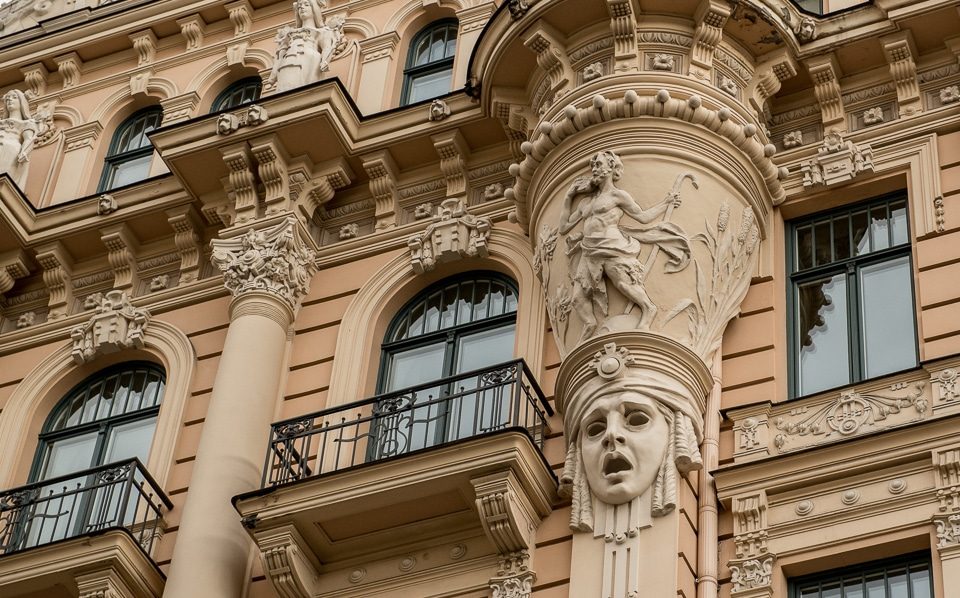
Located primarily on Alberta and Elizabetes streets, this area showcases elaborate facades with mythological figures and floral motifs. These buildings represent a significant period of early 20th-century architectural development.
Look up to spot the masks and statues on facades.
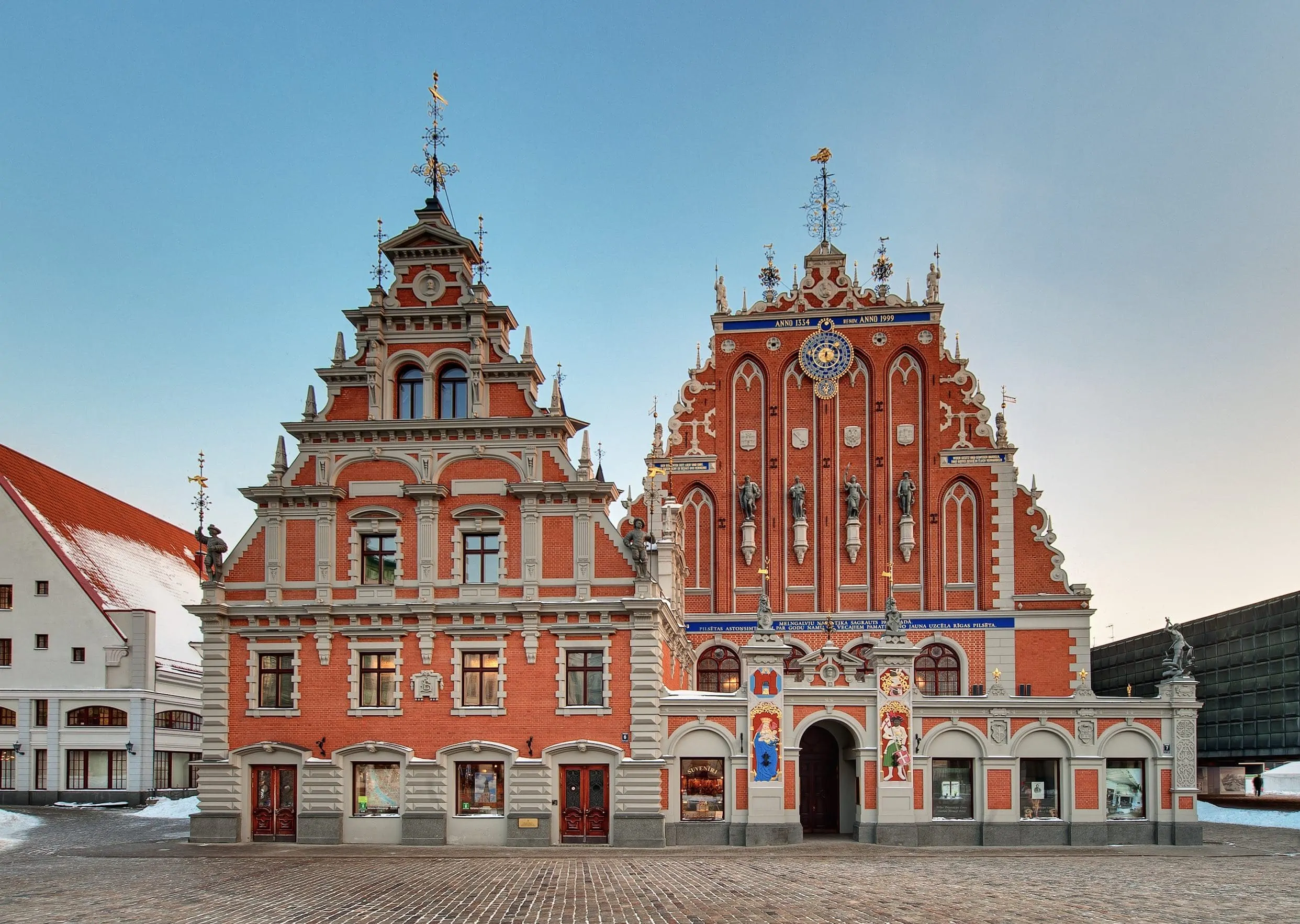
Originally built in the 14th century for the Brotherhood of Blackheads, this ornate structure is a reconstruction of the historic guild hall. It stands prominently in the Town Hall Square.
View the building at dusk when the exterior lights illuminate.
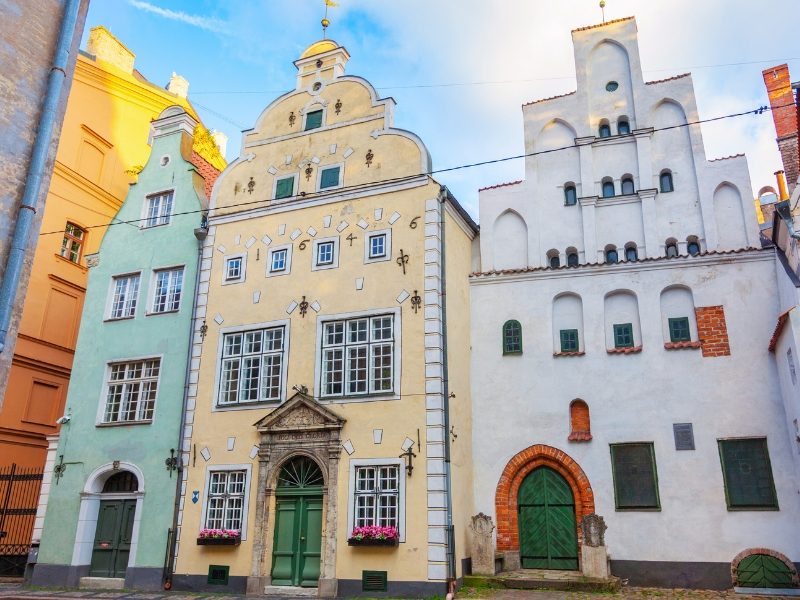
This complex consists of three separate houses representing different stages of residential construction from the 15th to the 17th centuries. It is recognized as the oldest dwelling complex in the city.
Check the varied architectural styles of each adjacent door.
Riga remains accessible at all times, as the city itself functions 24 hours a day throughout the week. Visitors can explore the streets and public areas at their convenience.
Everything you need to know about is riga worth visiting
Travelers frequently ask if Riga is worth visiting when planning their route through the Baltics. Given the convenient connection between Vilnius and Riga, adding this city to your itinerary is highly recommended for its unique urban character. Many visitors find that is Riga worth visiting remains a common query that is answered by the city's rich cultural atmosphere and historic charm.
Riga is often cited as a premier Baltic highlight due to its extensive Art Nouveau district and medieval Old Town. Determining if is Riga worth visiting is simple once you explore the varied museums and cobblestone streets that characterize the capital of Latvia. The city offers a distinct blend of Hanseatic history and modern Nordic-style living.
For those looking for a short break, many travelers confirm that is Riga worth visiting for a weekend or extended stay. The city center is compact and walkable, making it ideal for efficient exploration without needing long transit times. You can easily manage a trip from Vilnius and spend your days admiring the local landmarks.
The transit duration from Vilnius is a key factor when considering if Riga is worth visiting during a multi-city tour. Efficient transport options make the border crossing smooth, allowing you to maximize your time in Latvia. Planning your route ensures that the journey remains a comfortable part of your overall travel experience.
Architecture enthusiasts often search to see if is Riga worth visiting for its UNESCO-listed historic center. The city features a dense collection of heritage buildings that provide a window into centuries of development. Visiting these sites offers an insightful look at the regional influences that have shaped this Baltic hub.
The best arrival window for your visit is 09:00–18:00 to ensure you can explore the museums and enjoy the daylight. Choosing this window allows you to make the most of your trip and confirms that is Riga worth visiting for its many outdoor and indoor attractions. Aim to arrive during these hours to experience the city at its most vibrant.
Sightseeing Transfers
Read more GuideTravel Logistics: Vilnius vs Riga
Read more Tickets & toursVilnius to Riga Transfers
Read more Tickets & toursTour Bus Options
Read more Tickets & toursVilnius to Riga Day Trips
Read more GuideDistance and Travel Time
Read more GuideTrain Schedules
Read more